Seed heads

You accept death. You don’t take plants out, because they still look good. And brown is also a color.

-Piet Oudolf
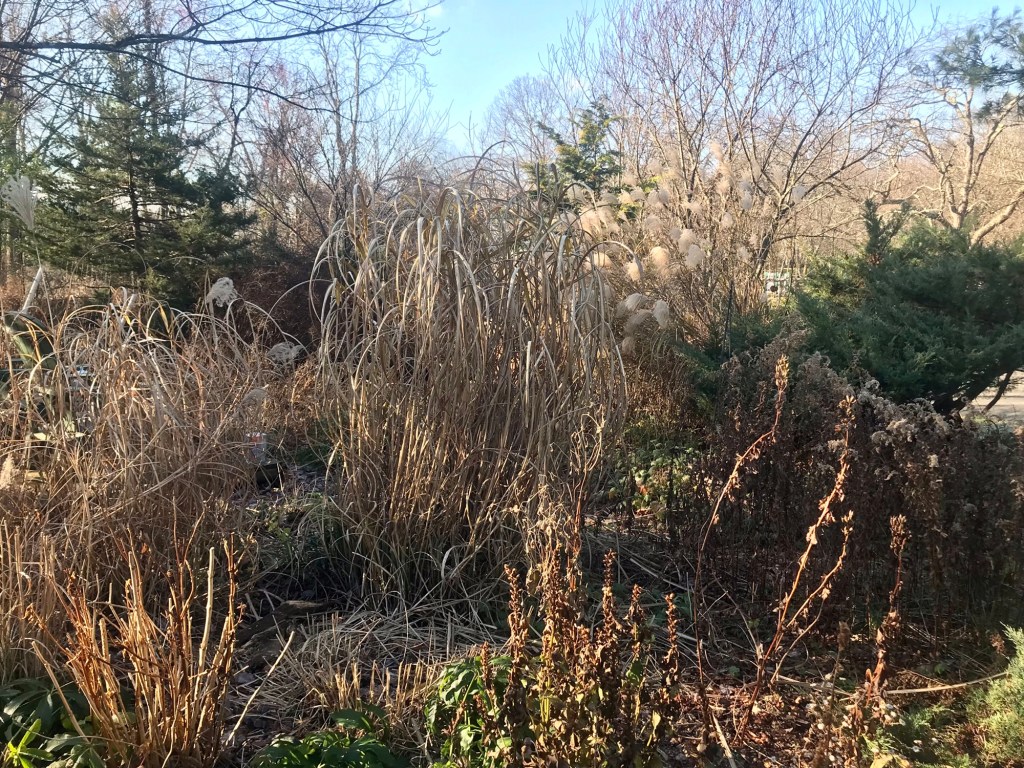
Columns of tawny grasses and brown remains of perennials dominate my garden in November.

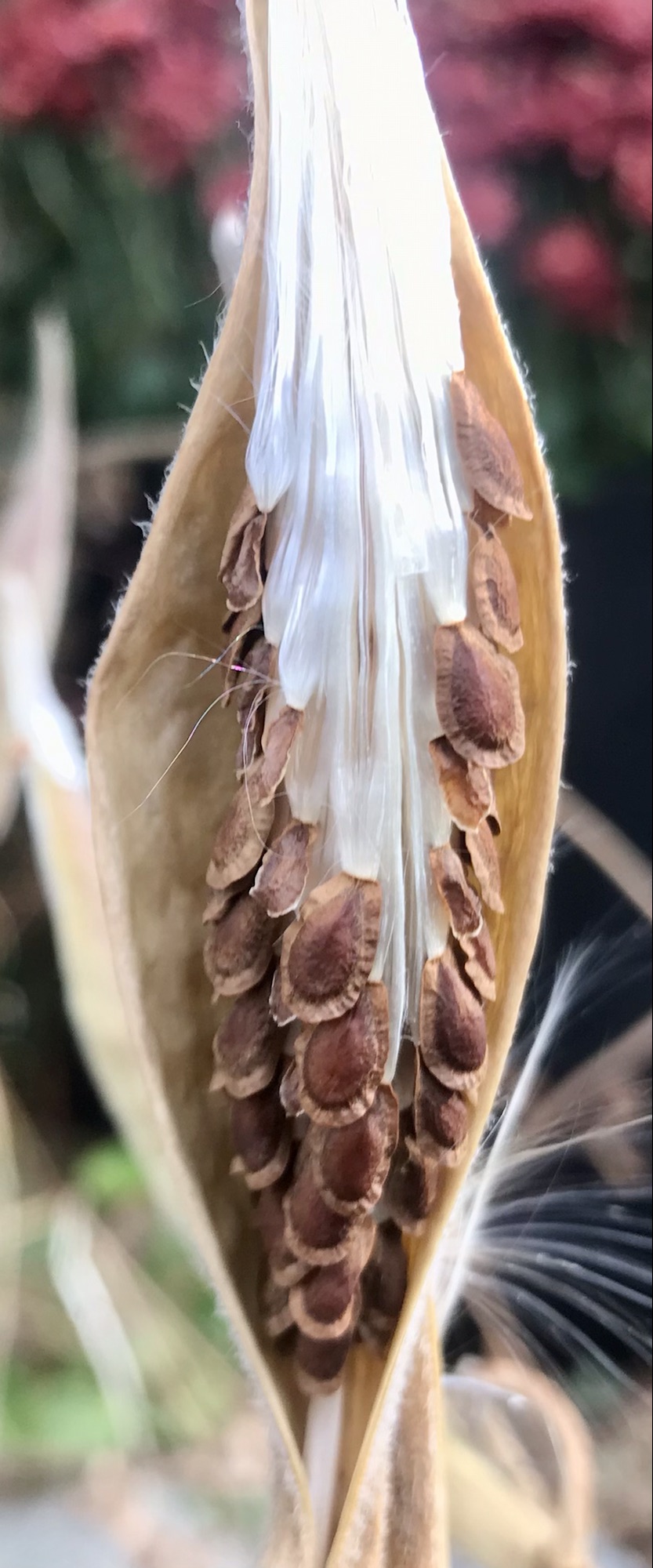
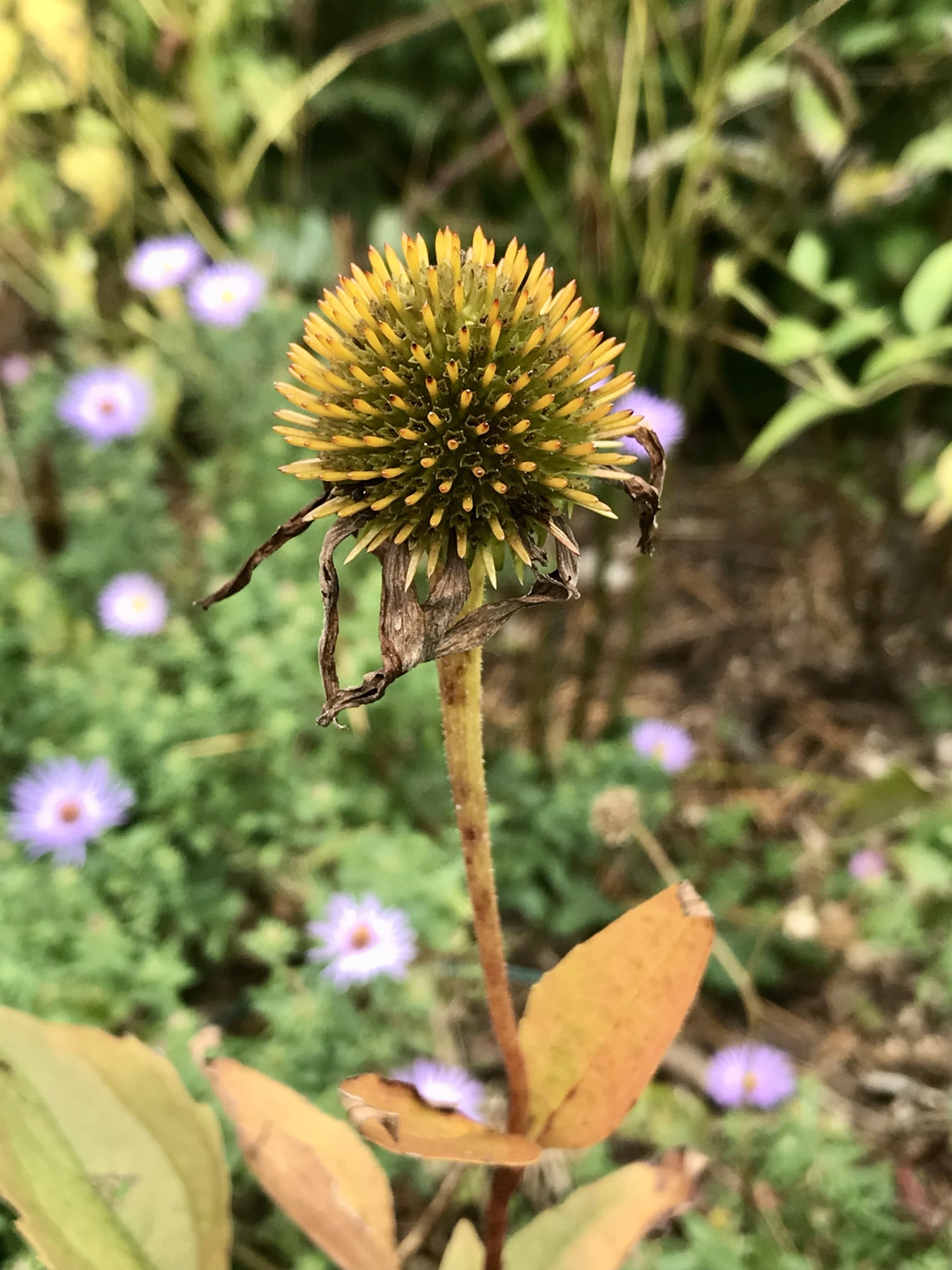
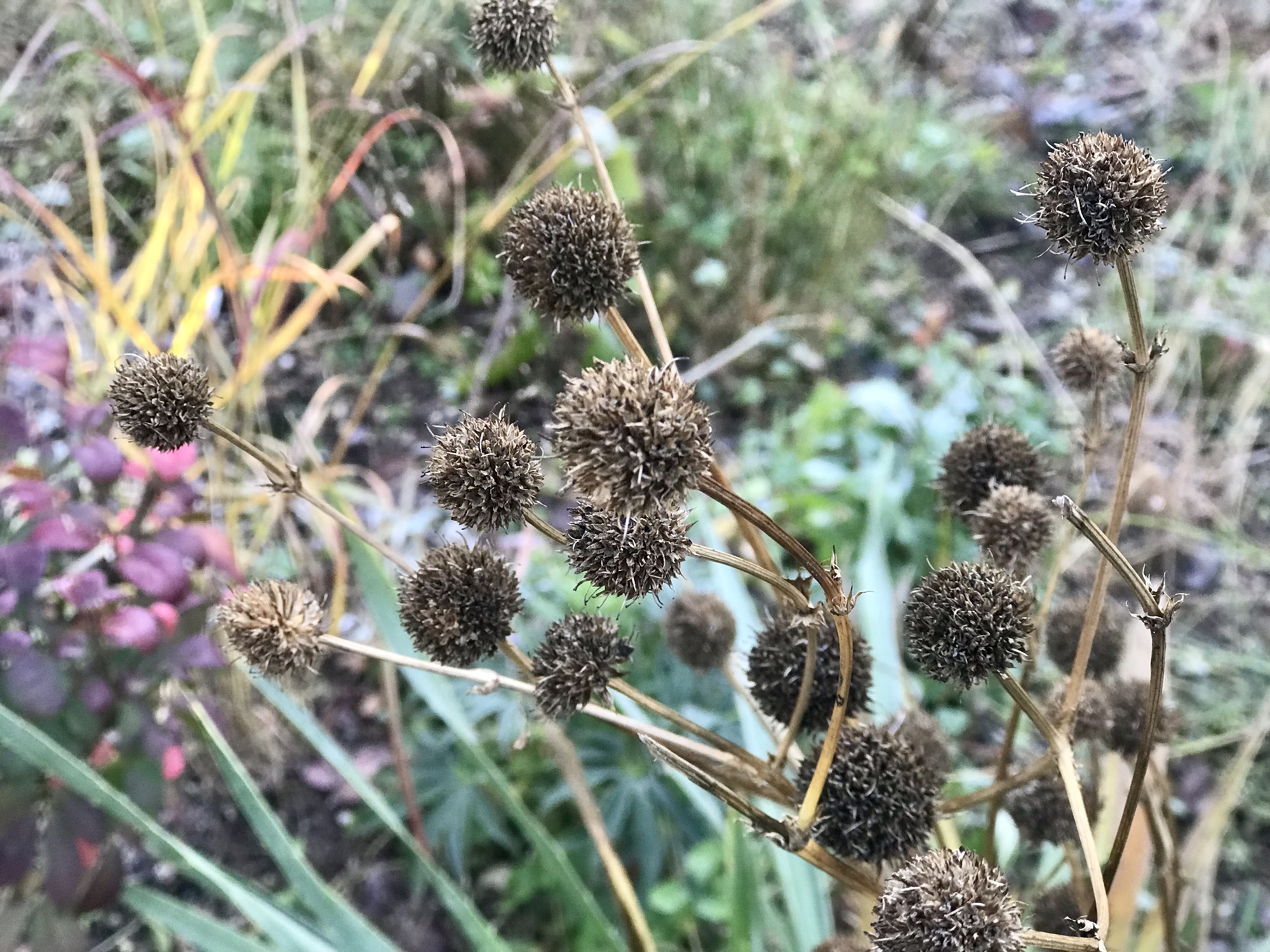
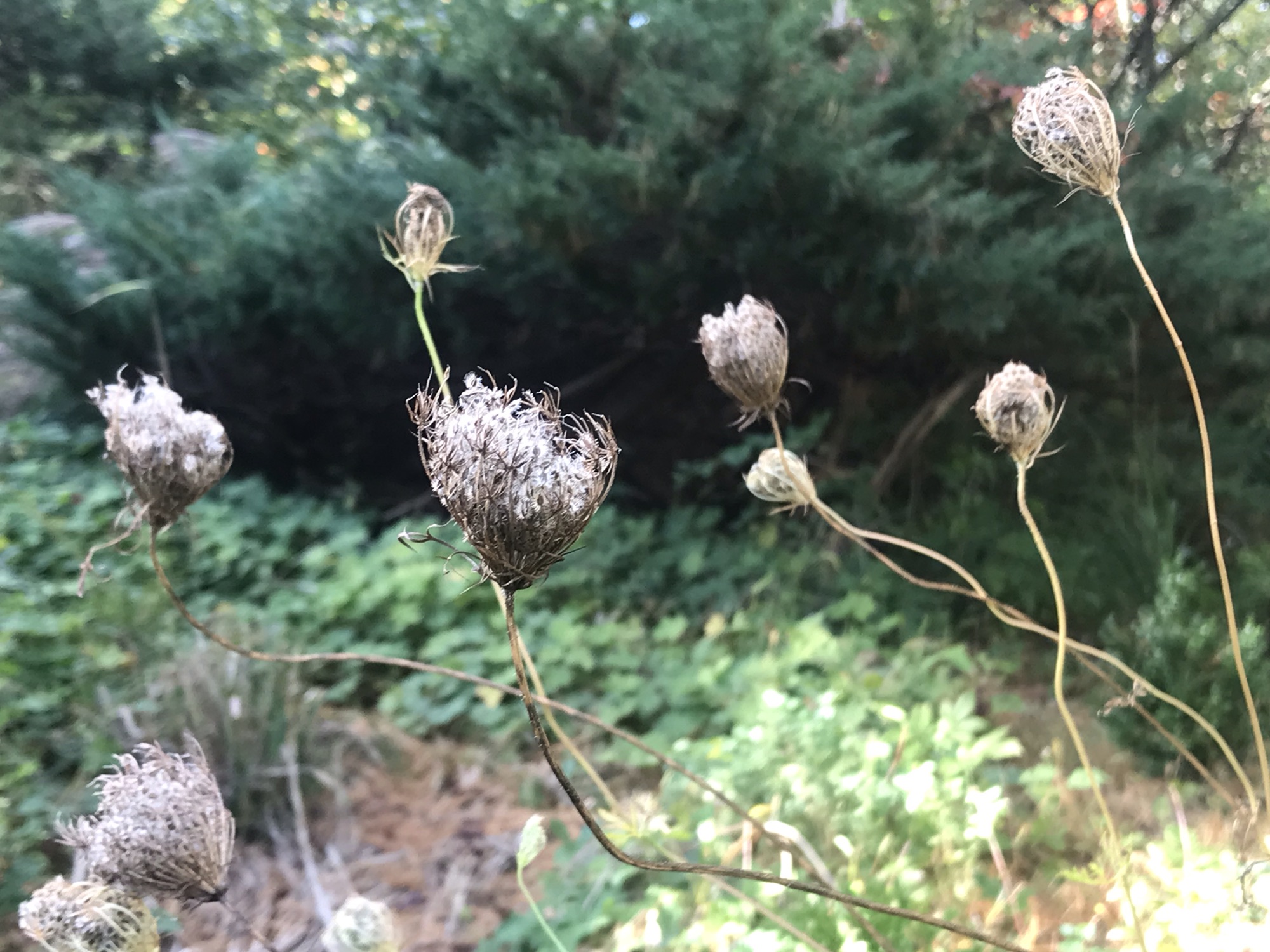
As a novice gardener who was short on time, I had never managed to do a proper fall cleaning—cutting back dead stems, deadheading spent flowers and removing decaying leaves— a standard horticultural practice. I felt guilty looking out at my garden full of brown seedheads, drying flowers, and leaves. But at the same time, I was moved by the beauty in the skeletal remains. There were various forms of seedheads– spikes, globes, fluffs and gossamer threads in many shades of brown from dark chocolate to pale beige. Then I found out about Piet Oudolf, a visionary Dutch garden designer who pioneered a naturalistic garden style. His gardens (I have been to a local one, the Highline, in Mahattan) evoke open meadows full of grasses and flowers. And as quoted above, browning flowers and seed heads are beautifully celebrated.

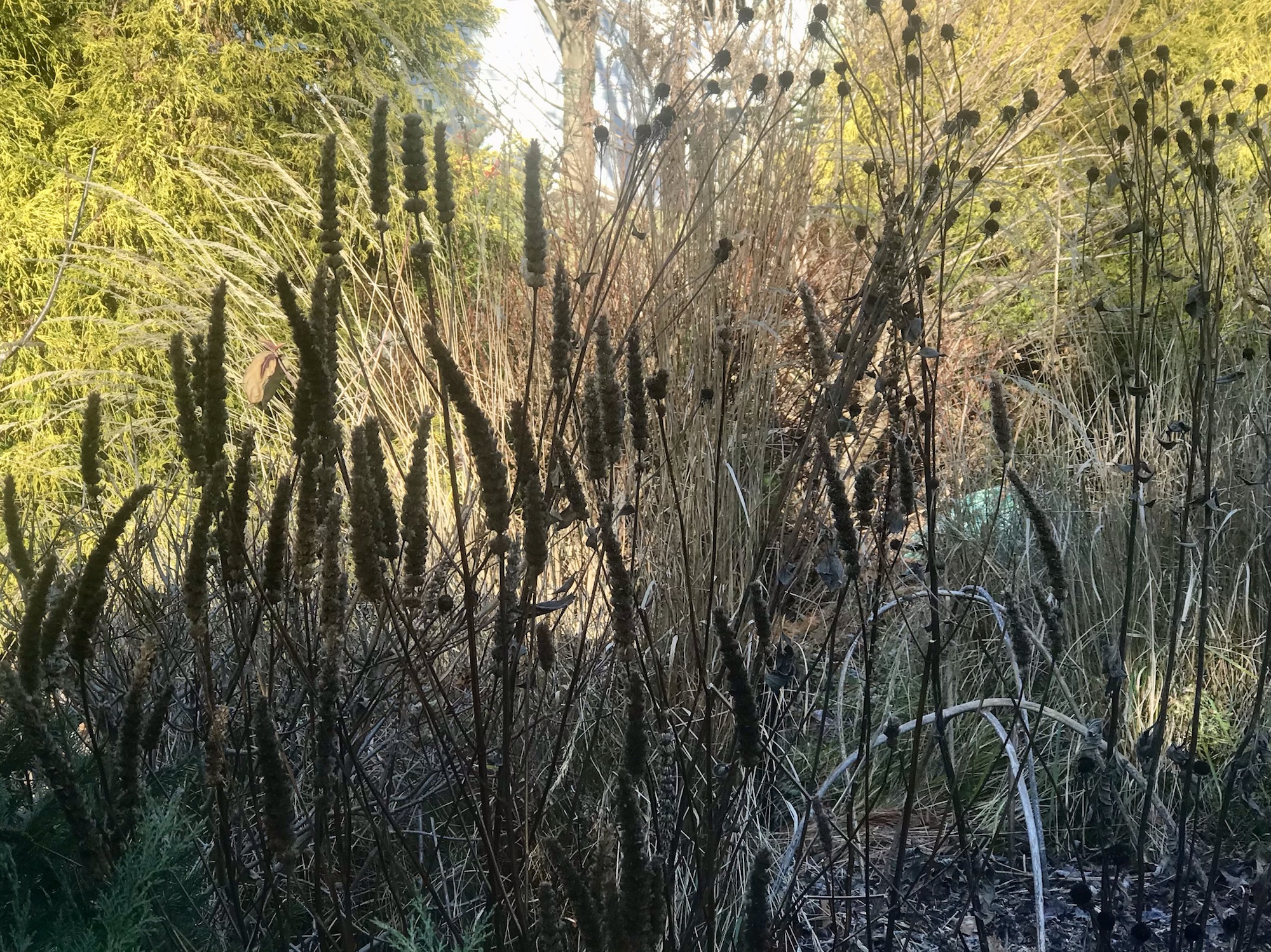
Spikes of Liatris spicata seed heads complement lavender aster flowers in my fall border. One often sees goldfinches dining on the Liatris seeds deftly balancing themselves on the swaying stems.

In recent years, a movement toward more ecologically sensitive gardening practices-including doing away with a meticulous fall cleaning-have been slowly gaining popularity. We are recognizing gardens play a role in promoting biodiversity and preserving the living world of both plants and animals. Fallen leaves provide shelter for butterflies and other insects, seed heads feed birds throughout the winter, and decaying plants feed the myriad microorganisms in the soil. So now when I gaze at the stark beauty of seed heads and brown remains of my winter garden, I see a landscape teaming with life.
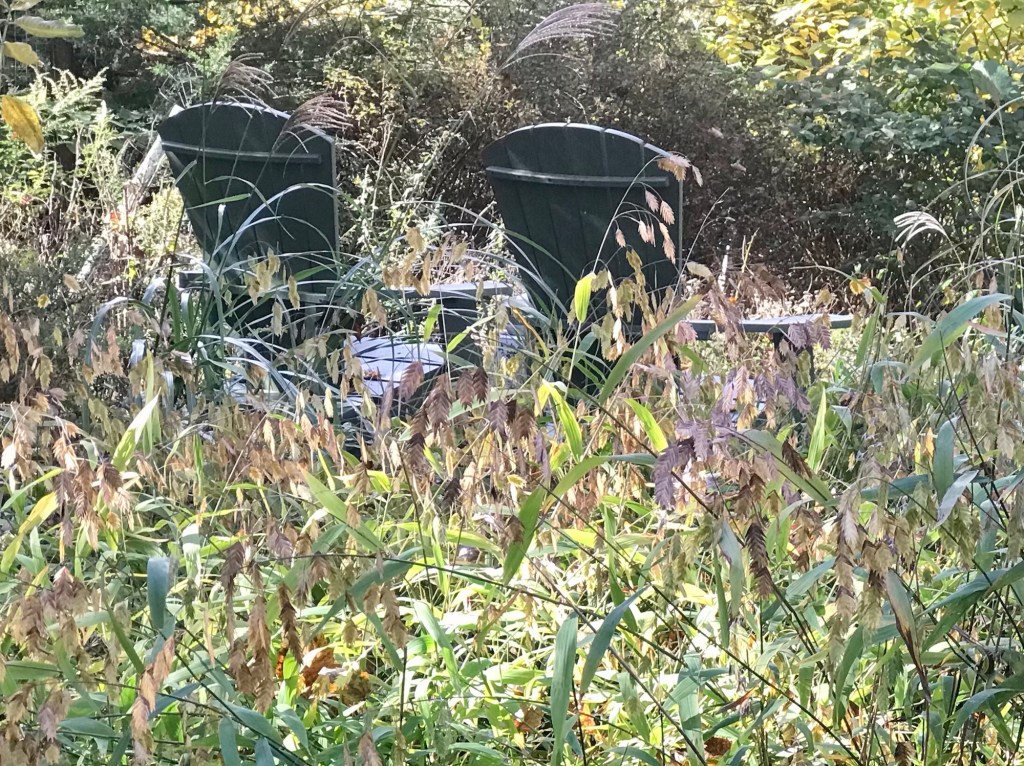
A favorite seating area surrounded by rustling seed heads of river oats (chasmanthium latifolium)

Gallery of seed heads in my garden

Click image for a full-size view.

Resources

Piet Oudolf quoted from;

“Brown is also a color”: Planting Designer Piet Oudolf Accepts Death

Recommend Books

Planting: A New Perspective, Piet Oudolf and Noel Kingsbury, 2013

Gardens of the High line: Elevating the Nature of Modern Landscapes, Piet Oudolf and Rick Darke, 2017

Piet Oudolf at Work, Piet Oudolf, 2023

Planting in a Post-Wild World, Thomas Rainer and Claudia West, 2015

New Naturalism, Kelly D. Norris, 2021

Drought Tolerant Native Plants in the Garden

Like many parts of the world, it has been extremely hot and dry this past summer. The effect of this weather has been most acute in my west-facing front yard. As I am in the midst of renovating the whole front garden, taking stock of plants that are doing well in this dry weather would help me choosing the plants for the new garden. Unfortunately, it seems that hot and dry summers will be the norm rather than the exception due to the climate change. Here are the plants that have done well during the exceptionally dry summer of 2022.

Asters

By far the most resilient group of plants, and the most surprising to me, were various native asters. They all came through beautifully without any supplemental water.

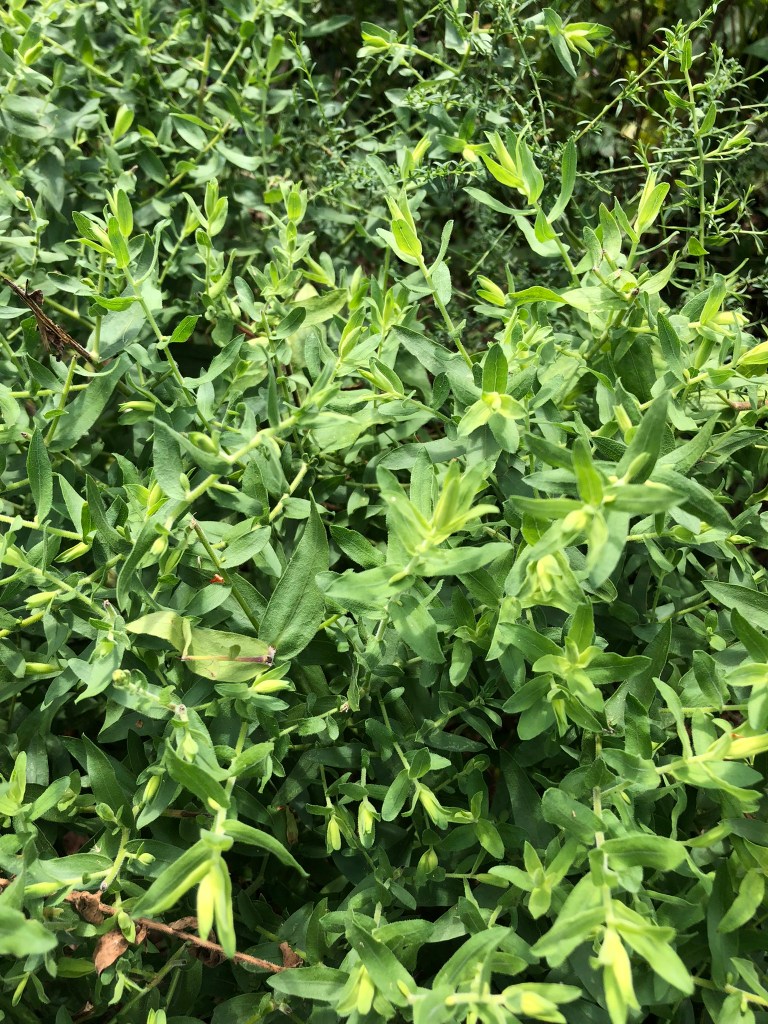
Lush summer leaves of Raydon’s Favorite aromatic aster.
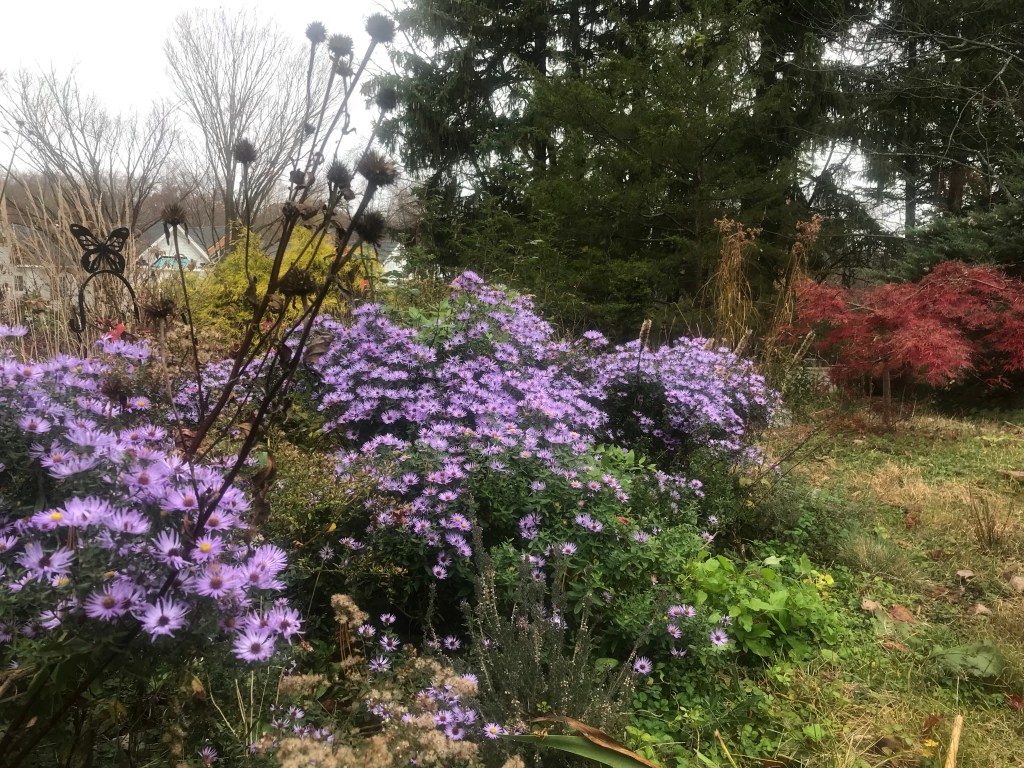
Raydon’s Favorite aster in my front border in November. The flowers persist into Novevember when most other prennials have begun their winter rest.
Blue wood aster or heartleaf aster (Symphyotrichum cordifolium) is first aster to bloom in my garden in late September.
Dainty flowers of blue wood aster create magical lavender haze. I found it flowers in dry shade as well as in partial to full sun.

Prairie Plants

This group of plants native to prairies did very well. I suppose they are adapted to hot and dry condtions in the sunny prairies where they originate.

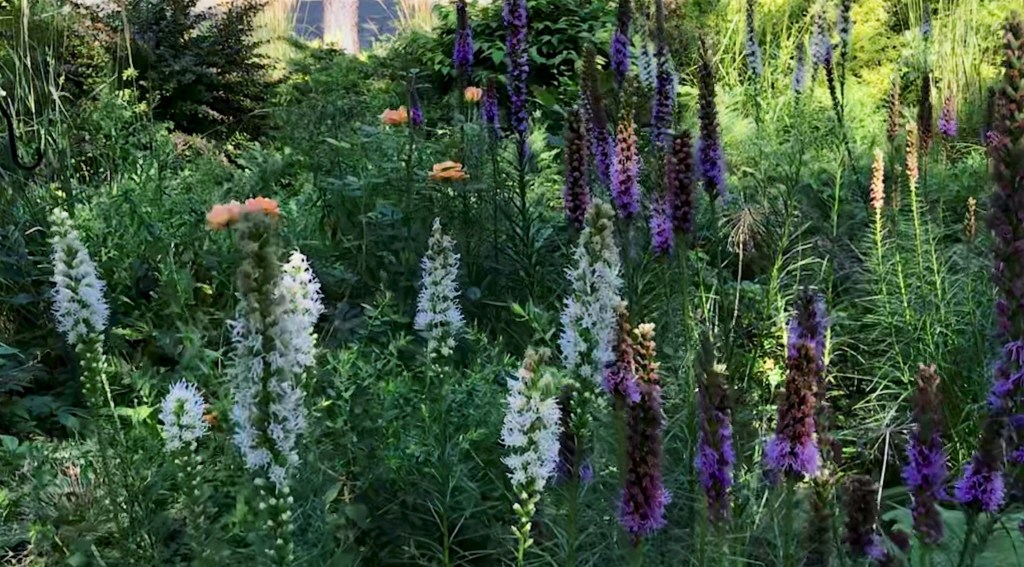
Blue and white spires of Liatris spicata blooms early summer followed by attractive seedheads that gold finches love.
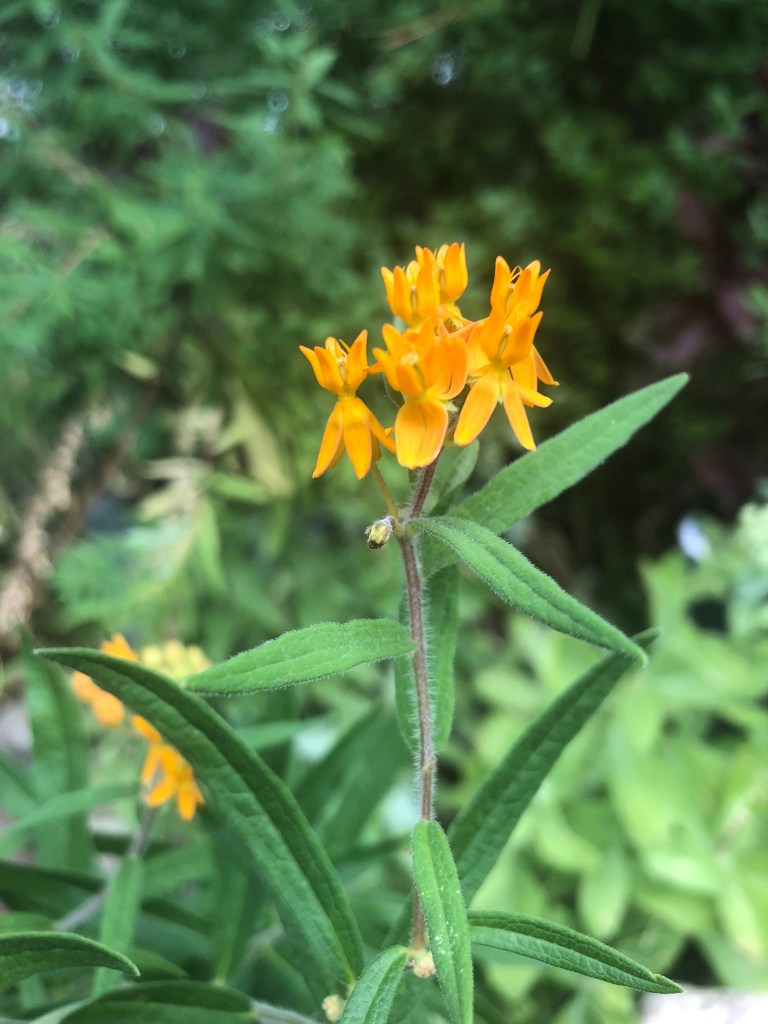
Butterfly weed (Ascelpias tuberosa) with cheerful orange flowers in August.
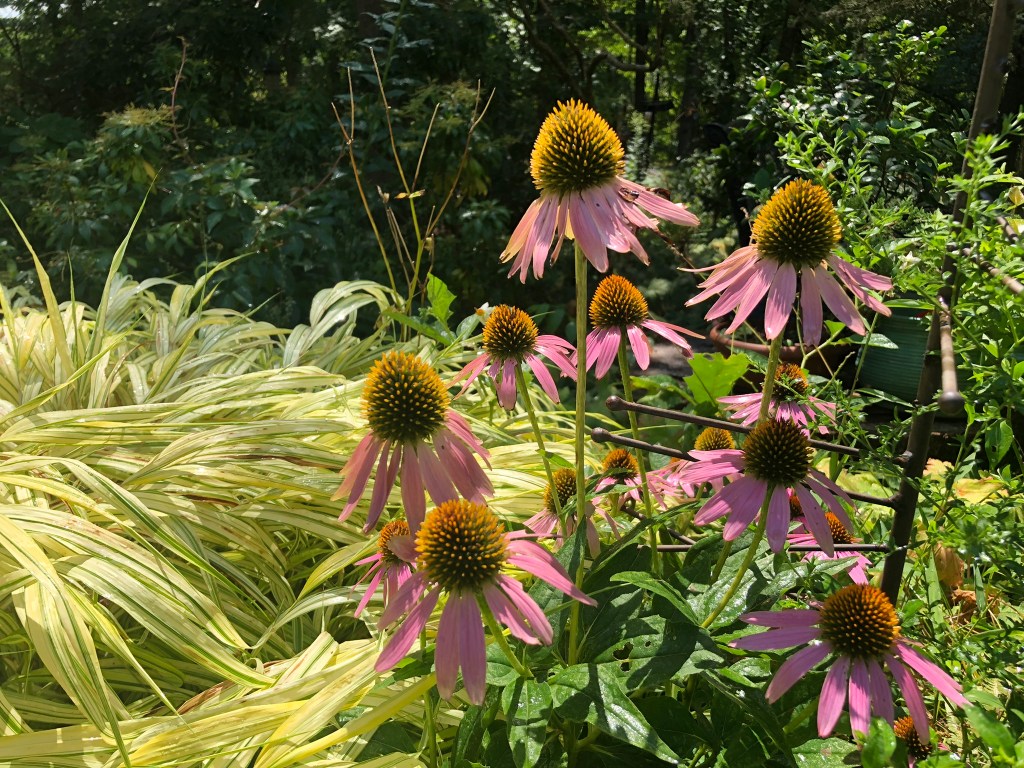
Purple coneflower (Echinacea purpuria) has long-lasting flowers. Spiky orange cone-shaped seed heads last into the winter and are another favorite of gold finches.
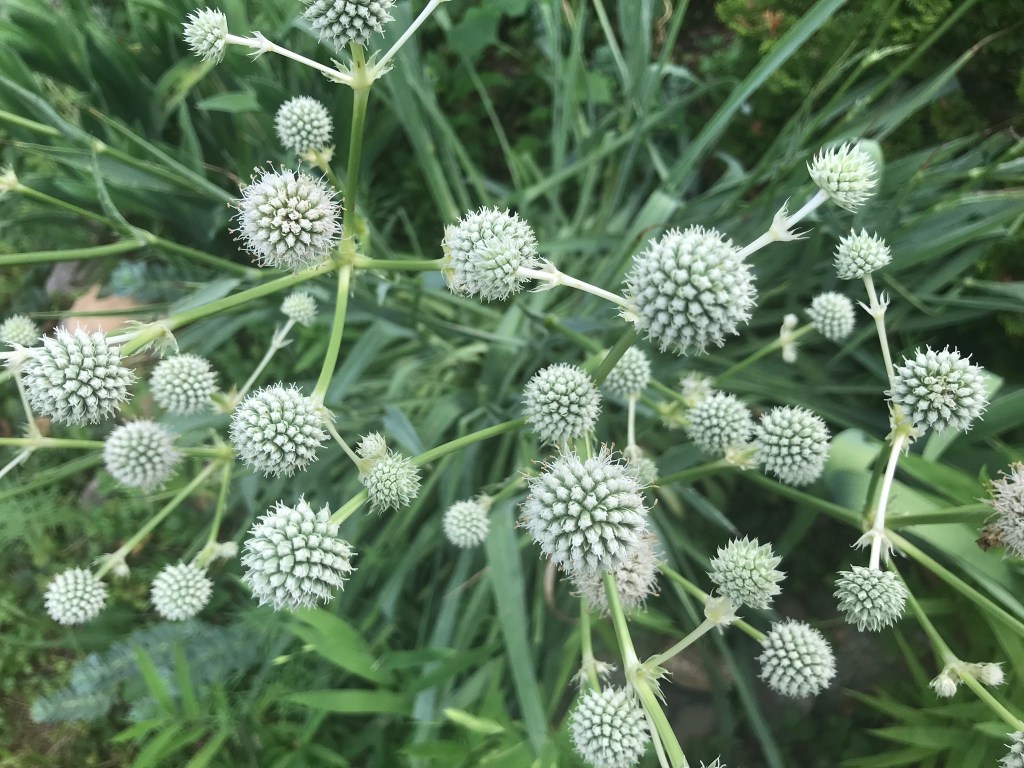
Rattlesnake Master — perhaps the coolest name of all plants. The scientific name of this architectural plant, Eringium yuccifolium refers to its eringium- like flower head and yucca-like leaves. It is much loved by all pollinating insects.
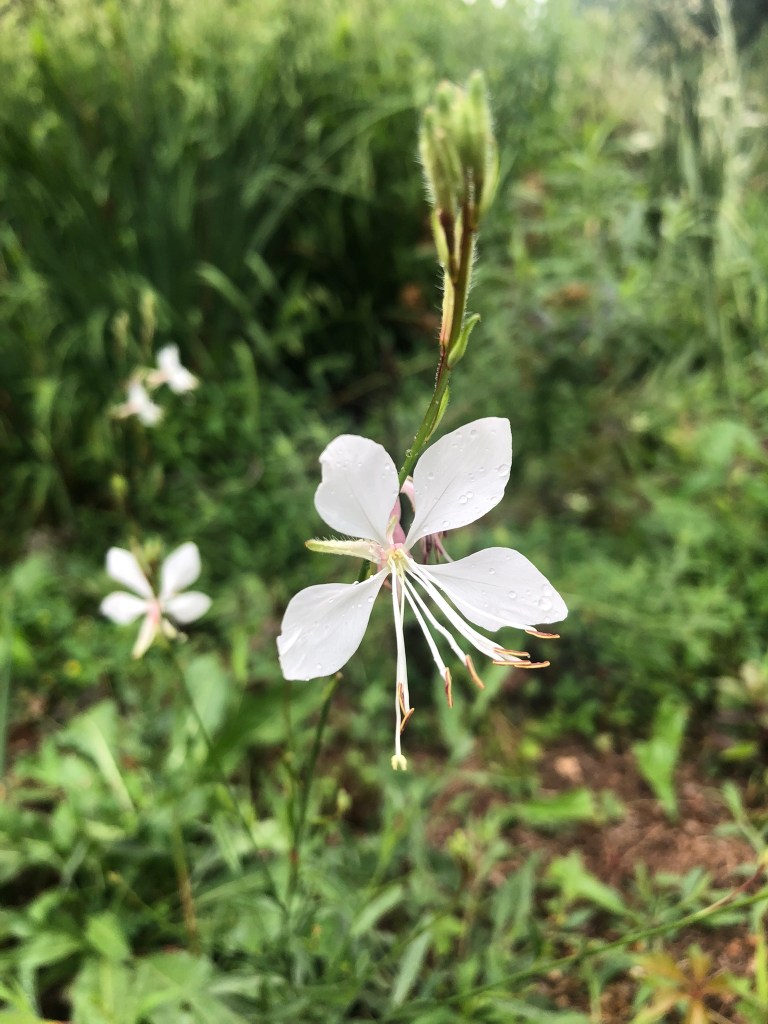
Gaura (Oenothera lindheimeri) “Whirling butterflies” does flutter like butterflies in warm summer breeze.

False sunflower (Heliopsis helianthoides) “Burning Hearts” brightens summer border. The dark stems and almost burgundy leaves compliment the yellow-orange rays of flower.

Horticultural Information

Symphyotrichum oblongifolium: zone 3-8. height 2-3 ft. spread 1-2 ft. full sun.

Symphyotrichum cordifolium: zone 3-8. height 2-5 ft. spread 1.5-2 ft. full sun to part shade.

Liatris spicata: zone 3-8. height 2-4 ft. spread 0.75-1.5 ft. full sun.

Ascelpias tuberosa: zone 3-9. height 0.75-2 ft. spread 0.75-2 ft. full to part sun.

Echinacea purpuria: zone 3-8. height 3-5 ft. spread 1.5-2 ft. full sun to part sun.

Oenothera lindheimeri: zone 5-9. height 3-5 ft. spread 1-2 ft. full sun.

Heliopsis helianthoides: zone 3-9. height 3-4 ft. spread 1-1.5 ft. full sun.